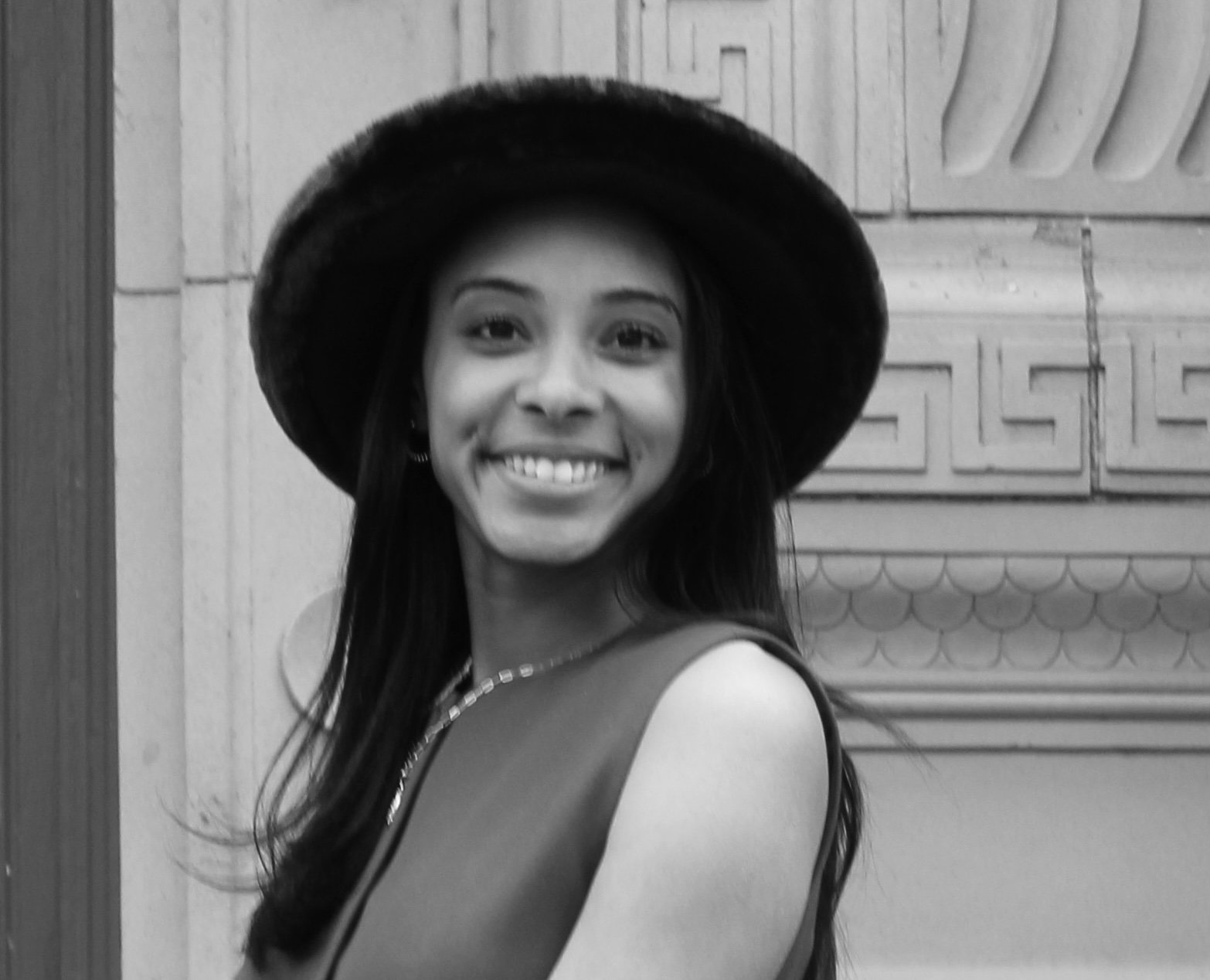
There was a feeling of emptiness in my gut when I finally admitted to myself that I was a lesbian. Questions of “now what?” and “who can I go to?” permeated my mind. I immediately ruled out my best friend of almost a decade, as our recent romantic escapades turned no-contact led me here in the first place. The pleading of each other to stay, despite our divergent feelings towards our newly discovered queerness, and the eventual yet inevitable separation between us led me to a place I could only describe as empty.
I found myself in this “empty” space; hungry for connection with other Black lesbians like myself, starved of the stories of Black women who embraced queerness as I chose to do. In my attempts to occupy the void, I searched high and low for stories written by Black, queer women, and sought out local events that celebrated Black queerness.
Like a flower receiving much needed water, I felt nourished by my intentions of building a Black queer community. The thoughts of Black queer theorists, such as Audre Lorde, Alice Walker, and Mecca Jamilah Sullivan were seeds planted in my soul, flourishing into a garden that filled the once vacated space.
Through my shared intimacies with Black, queer women, in community, artistically, and theoretically, I reenvisioned the “empty” space. The once barren land became a blank canvas, ready to be painted with the experiences, stories, and love of Black, queer women. This blank canvas became Poetics.
Poetics is an arts, culture, and literary magazine started for and by Black, queer women. The name is derived from the title of Mecca Jamilah Sullivan’s book The Poetics of Difference: Queer Feminist Forms in the African Diaspora. When defining a Black woman I draw on Sullivan’s use of the term, in which she states that her using of Black womanhood does not rely on the potentially “cisnormative, transphobic, body-normative, and conceptually imprecise languages of ‘Black female’ experience and subjectivity.” Put simply, the use of ‘Black woman” is one that is expansive, and inclusive of gender-nonconforming, nonbinary, and trans folks.
I draw on Sullivan once again to define queerness, as her definition indexes “not only sexual differences, but also anticolonial, antiracist, antielitist, anti-patriarchal, and anti-normative identification”.
Poetics follows the Black, queer, and feminist tradition of using publishing as a tool of cultural resistance. Historical Black, queer, feminist magazines such as Bay Area’s Aché and ONYX: Black Lesbian Newsletter created platforms for Black, queer women to share poetry, letters, personal perspectives, and much more. Poetics aims to continue the legacies of Black, queer, feminist magazines by bridging together the communities of Black, queer women through art, literature, and community building. Poetics also aims to create a living, breathing, and expansive archive of the art, work, and experiences of Black, queer women.
I say with pride that finding myself standing at the intersection of Black womanhood and queerness now feels far from “empty”. What once felt “empty” to me, is now a place I identify as full of love and hardship, pain and triumph. Through Poetics, it is my hope that a space is carved out for people like me to share how full they are of pleasure, vulnerability, joy, and desire. Although Poetics centers the artistic expression and imagination of Black, queer women, I invite everyone to read, and learn from our acts of resistance.
To Love and Life,
Zaria